

Valuing Multiple Ways of Knowing
Transformative change requires us to embrace many knowledge systems, wisdom traditions, and expanded forms of expertise.
Valuing Multiple Ways of Knowing

Multiple ways of knowing refers to the many ways we understand and engage with the world, such as through our experiences, art, ancestral and cultural wisdom, learning from the natural world, our intuition, connection with spirit, as well as through more rationalist approaches often overprivileged and over-resourced by dominant culture. Tending to, embracing, and meaning-making through all the ways we learn, share, and experience wisdom are essential to prefiguring futures of mutual thriving.
Building from the work of Audre Lorde, John Heron, Peter Reason, and Robin Wall Kimmerer, we often reference four interdependent ways of knowing:
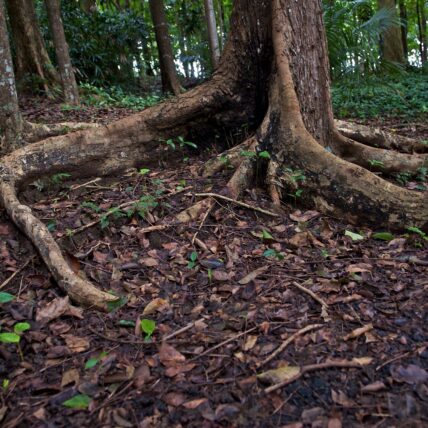
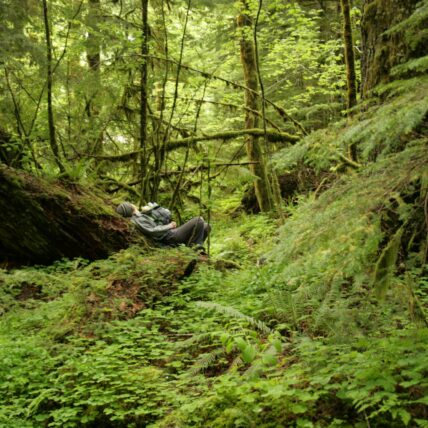
- Foundational Knowing: Experience, indigenous/ancestral wisdom, and spiritual/natural wisdom form the foundation of our understandings of the world, whether shared with us explicitly or implicitly.
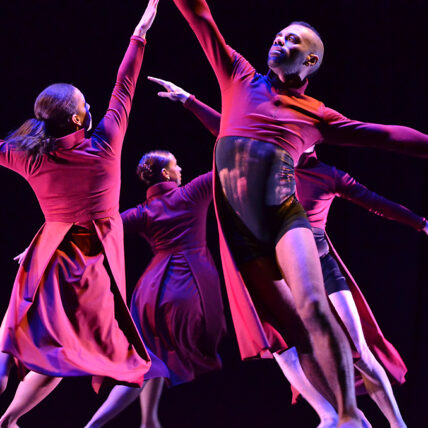
- Artistic Knowing: We create representations of our experiences through story, visual art, movement, music, and other forms to help ourselves and each other understand and make meaning of our individual and collective experiences.
- Generalized Knowing: We identify patterns and experiment to develop concepts, such as academic theories and propositions, theories of change, logic models, and promising practices.
- Practical Knowing: Informed by our past actions and our general knowledge, we act intentionally in the world. We turn our generalizations into practice.

“A beauty of art is simultaneity—multiple truths being allowed to exist. What would happen if the world could live with that—multiple truths existing?” —Sharon Bridgforth and Omi Jones
Liberating change requires us to engage with all of these ways of understanding the world. Too often, we remain in a realm of generalized, practical knowledge, disconnecting our theories and actions from our values, beliefs, and formative life experiences. Moreover, privileging one way of knowing over others (e.g., generalized knowing, which focuses on measurable data) marginalizes and ignores other truths people bring, creating conflict, systemic barriers to change, and inequity.
Featured photo credit: Naima Yael Tokunow
Related


Multiple Ways of Knowing in Action
Network Weavers Learning Lab
Launched in 2017, the Network Weaver Learning Lab was an 18-month program created through a partnership between Change Elemental and CompassPoint Nonprofit Services. Through this program, participants experimented with a number of practices and approaches to advance their healing and increase their ability to work in networked ways to end relationship-based violence. They have shared their learning through a variety of resources including a medicine deck for justice leaders.
Learn More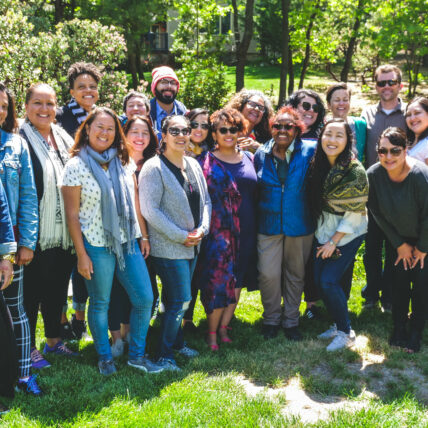
Co-creators Embedding Multiple Ways of Knowing
We partner with so many incredible people who amplify and use multiple ways of knowing in their practices. Here we name just a few that inspire us to learn and deepen our practices.
Leveraging a Network for Equity (LANE)
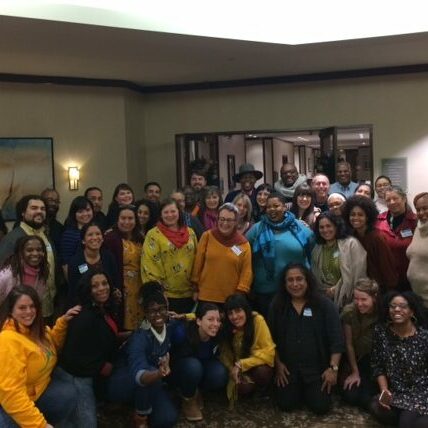
Leveraging a Network for Equity (LANE) brings together extraordinary leaders from arts and culture organizations to collectively address racial and geographical imbalance in the arts.
Our Next Now
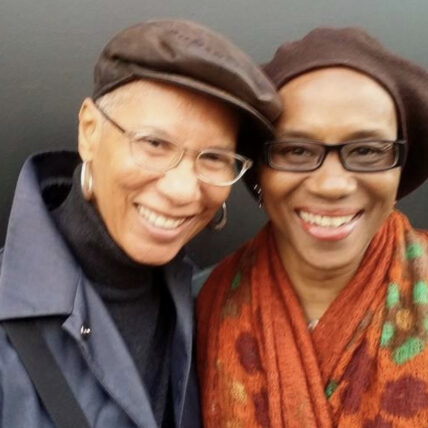
Sharon Bridgforth and Omi Osun Joni L. Jones offer a series of virtual gatherings that use the tools of artmaking to encourage group cohesion and collaboration, and strengthen individual expression and healing.
Breathe Media Group
Breathe Media Group is a full-service media company in the Washington, D.C. metro area. Services include film and video production, photography, design, and social media strategy. Breathe Media Group strives to create content that enhances America’s understanding of its underrepresented people and sparks change by grappling with multi-cultural issues on-screen and beyond.